Every traveler seems to be searching for the same thing.
A place that still feels authentic.
A place that hasn’t been discovered yet.
A place that hasn’t changed.
The irony, of course, is that places often change because people discover them.
The café becomes popular.
The neighborhood becomes fashionable.
The quiet beach appears on social media.
More visitors arrive.
More businesses open.
More money flows in.
And before long, people begin talking about how the place isn’t what it used to be.
I’ve caught myself thinking similar things.
Walking through parts of Bali.
Visiting places like Hoi An.
Spending time on the beaches of Da Nang.
Returning to destinations that felt different the first time I saw them.
The thought usually sounds something like this:
“I wish more people knew about this place.”
Followed shortly by:
“I hope it doesn’t change.”
The problem is that those two wishes often point in opposite directions.
Because every person who arrives contributes something.
Money.
Ideas.
Expectations.
Businesses.
Demand.
And whether we intend to or not, places respond.
Which raises an uncomfortable question.
Can you love a place without changing it?
Every Visitor Leaves Something Behind
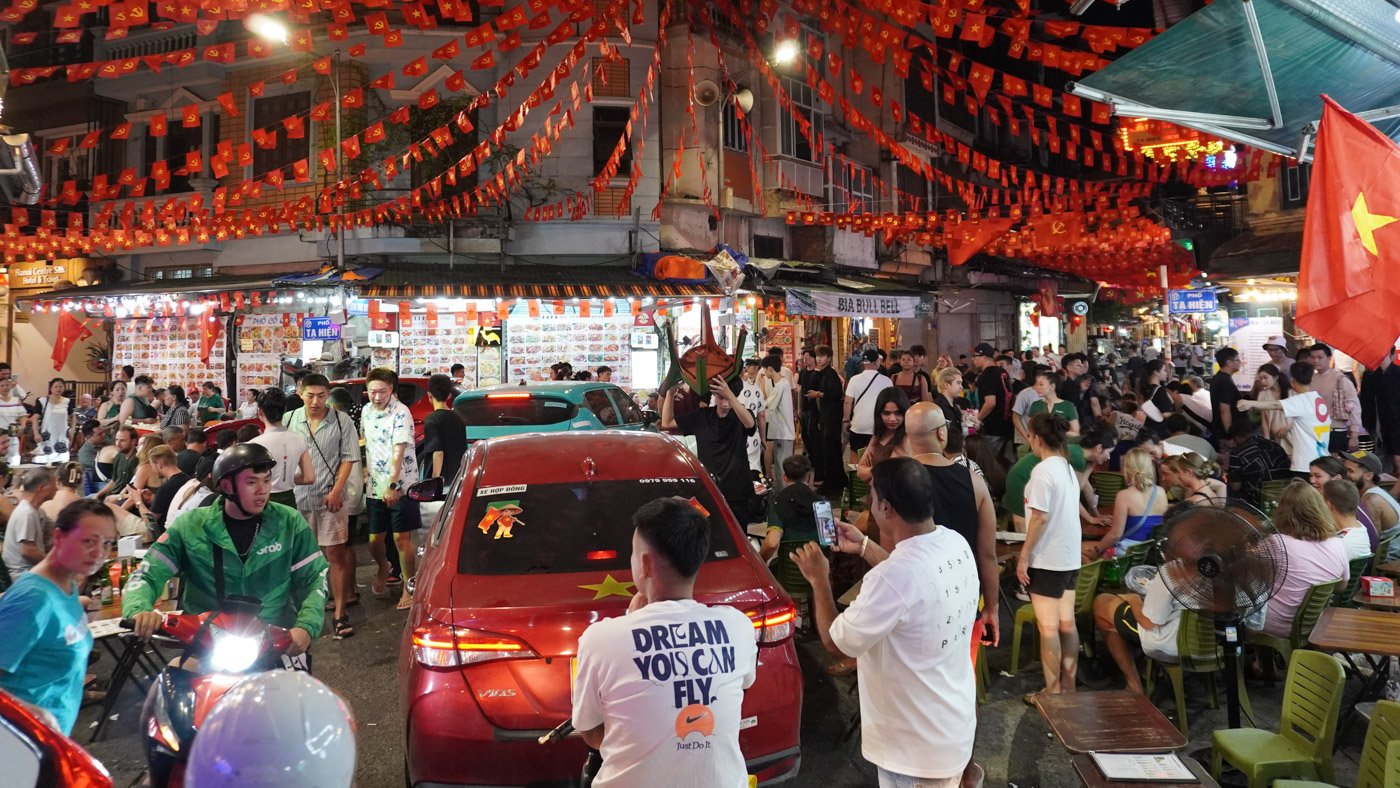
It’s easy to talk about change as though it arrives from somewhere else.
As though places simply wake up one day and become different.
But places rarely change on their own.
They change because people interact with them.
Visitors spend money.
Businesses adapt.
New cafés open.
Hotels expand.
Apartments become guesthouses.
Local entrepreneurs respond to demand.
And little by little, the character of a place evolves.
Sometimes the changes are obvious.
A new beach club.
A new hotel.
A new row of restaurants.
Other times they’re harder to see.
Expectations change.
Prices change.
The kinds of businesses that survive begin to change.
Even the stories people tell about a place can influence what it becomes.
The interesting thing is that most of these changes aren’t created by a single person.
They’re the result of thousands of small decisions made over time.
A traveler choosing to stay an extra week.
A digital nomad signing a lease.
A local family opening a café.
A business owner expanding to meet demand.
None of these actions seem particularly significant on their own.
Yet together, they shape the future of a place.
Which means that whether we realize it or not, we all leave something behind.
Not just footprints.
Influence.
Not All Change Is The Same
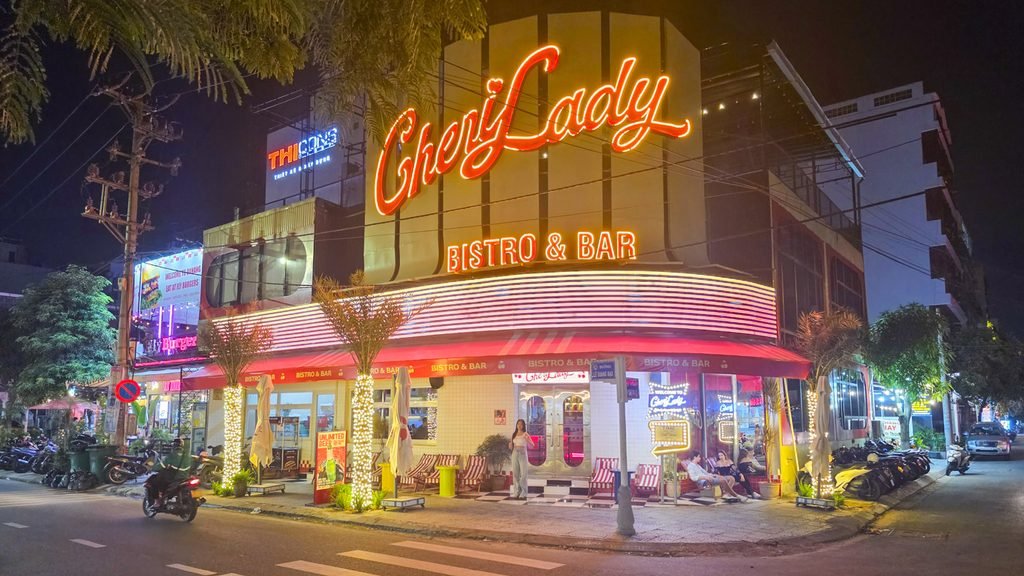
The more I thought about it, the more I realized that the question isn’t whether places change.
They do.
The real question is what kind of change is taking place.
Some changes seem to add new layers to a place.
A local family opens a restaurant.
A neglected building is restored.
A new business creates opportunities for people who live there.
Life evolves without completely losing its connection to what came before.
Other changes feel different.
Places begin catering almost exclusively to visitors.
Local businesses disappear.
The same cafés, menus, and aesthetics start appearing everywhere.
A destination becomes easier to consume but harder to understand.
I’ve seen both.
In Bali.
In Hoi An.
In Penang.
And increasingly, in parts of Da Nang.
The interesting thing is that the line between positive change and negative change is rarely obvious in the moment.
The new café may create jobs.
The new apartment building may help some people and displace others.
The new visitors may support local businesses while also increasing pressure on the things that attracted them in the first place.
Reality is usually more complicated than the stories we tell ourselves.
Tourism isn’t entirely good.
It isn’t entirely bad.
Neither are digital nomads.
Neither are expats.
Most of us exist somewhere in the middle.
Contributing something.
Taking something.
Leaving something behind.
Whether we intend to or not.
What Kind of Change Are You Bringing?
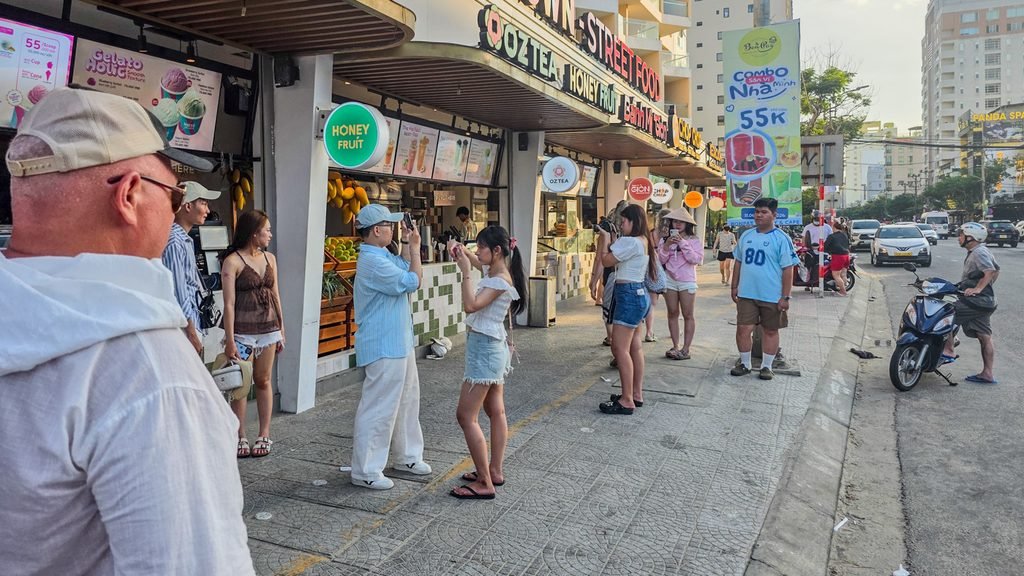
I don’t think most people set out to change a place.
Most travelers simply want to enjoy it.
Most digital nomads are looking for somewhere comfortable to live and work.
Most expats are trying to build a life that feels meaningful.
The problem is that good intentions don’t prevent change.
Every place I’ve loved has been shaped by the people who arrived before me.
The cafés I enjoy.
The apartments I rent.
The infrastructure that makes life easier.
None of it appeared by accident.
Someone arrived.
Someone invested.
Someone built something.
Someone decided to stay.
In many ways, my own experience as a traveler depends on changes that other people helped create.
That realization made it harder to point fingers.
It’s easy to criticize tourists.
It’s easy to criticize digital nomads.
It’s easy to criticize developers and investors.
It’s much harder to acknowledge that we’re often participating in the same process ourselves.
The question isn’t whether we’re part of the story.
We are.
The question is what role we’re playing in it.
Are we contributing to a place in ways that respect what already exists?
Or are we expecting the place to reshape itself around our preferences?
I don’t have a perfect answer.
But I suspect the question matters more than most of the answers.
Perhaps The Goal Isn’t To Leave No Trace
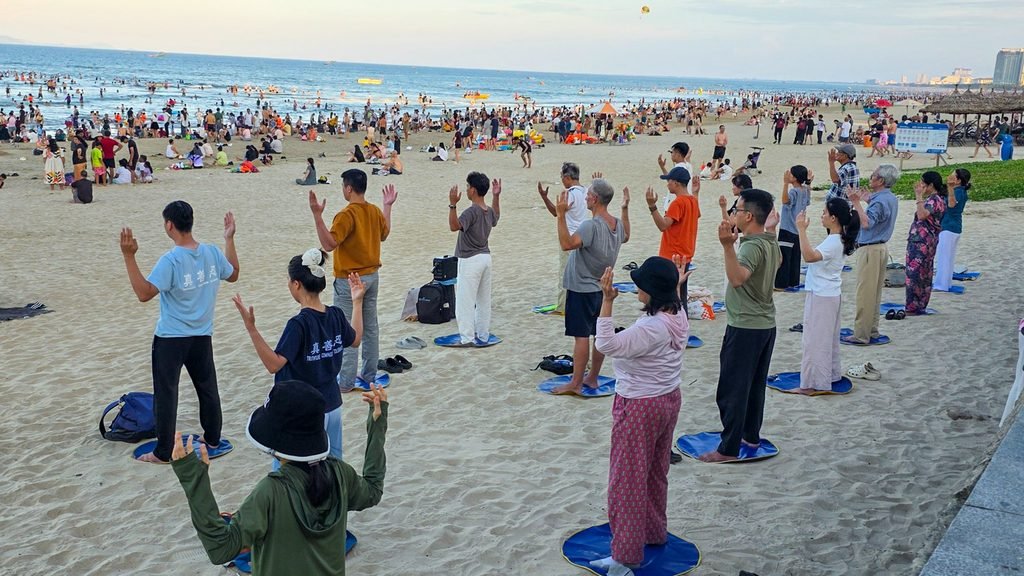
The more I travel, the less I believe it’s possible to experience a place without affecting it.
Simply showing up changes something.
A meal purchased at a local restaurant.
A room rented for a month.
A recommendation shared with a friend.
Even writing about a place creates influence.
That realization first became clear to me during a visit to Pura Tirta Empul, where I found myself participating instead of simply observing.
I wrote more about that experience in What Bali Taught Me About Participation.
The reality is that participation and impact are difficult to separate.
Perhaps the goal isn’t to leave no trace.
Perhaps the goal is to become more aware of the traces we leave behind.
To recognize that places are not products waiting to be consumed.
They are communities.
Ecosystems.
Cultures.
Lives already unfolding long before we arrive.
That doesn’t mean we should stop traveling.
Or stop sharing the places we love.
It simply means approaching them with a little more humility and respect.
A little more curiosity.
And perhaps a little less certainty that our presence automatically improves things.
Some of the places that have stayed with me most weren’t asking to be changed.
I began noticing that most clearly while staying in Sidemen, where slowing down revealed parts of daily life I would have missed had I kept moving.
I explored that experience in What Sidemen Taught Me About Paying Attention.
They weren’t asking to be optimized.
They weren’t trying to become the next destination everyone talks about.
They were simply being themselves.
I found an even more ordinary version of that in Surat Thani, a city that seemed perfectly comfortable not being a destination
They already had a strong identity of their own.
I felt that same quiet confidence on Nusa Lembongan, where the island never seemed interested in becoming anything other than itself.
I wrote more about that experience in Why Nusa Lembongan Felt Different.
And maybe part of loving a place is allowing it to remain more of what it already is.
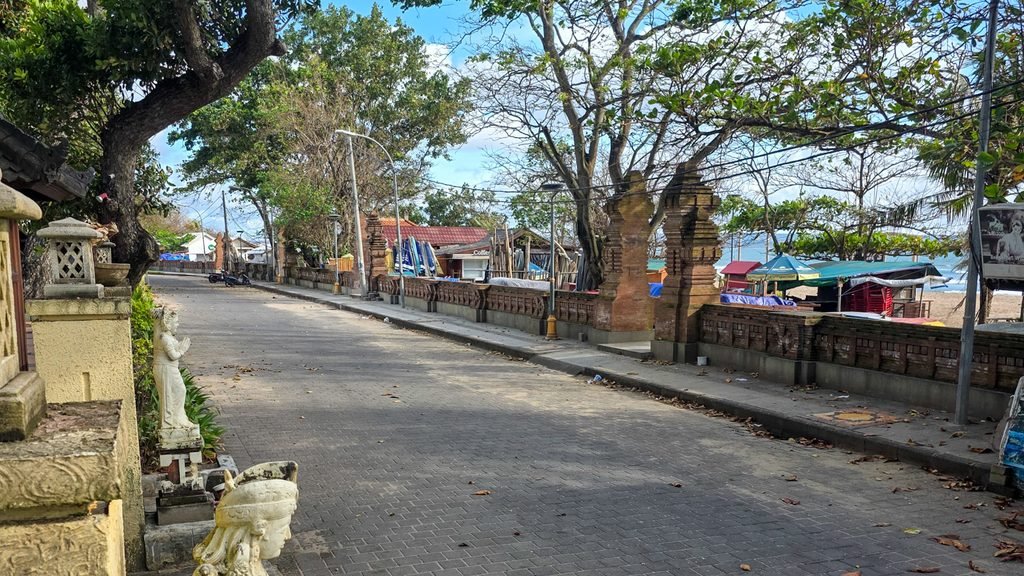
Final Thoughts
I don’t think there is a simple answer to the question.
Places change.
They always have.
And they probably always will.
The cafés will change.
The neighborhoods will change.
The people will change.
And eventually, the stories we tell about those places will change as well.
Perhaps the goal isn’t to stop change.
Perhaps the goal is to remain conscious of our role in it.
To recognize that every place we visit already has a history, an identity, and a rhythm of its own.
Something that existed before we arrived and will hopefully continue long after we leave.
The older I get, the less interested I become in finding places that never change.
And the more interested I become in understanding what makes them worth protecting in the first place.
Can you love a place without changing it?
Probably not completely.
But perhaps you can love it enough to respect what was already there.