At 53, most people expect life to become more settled.
Mine looks almost the opposite.
As I write this, I’m living in Southeast Asia. At the moment, that means Bangkok.
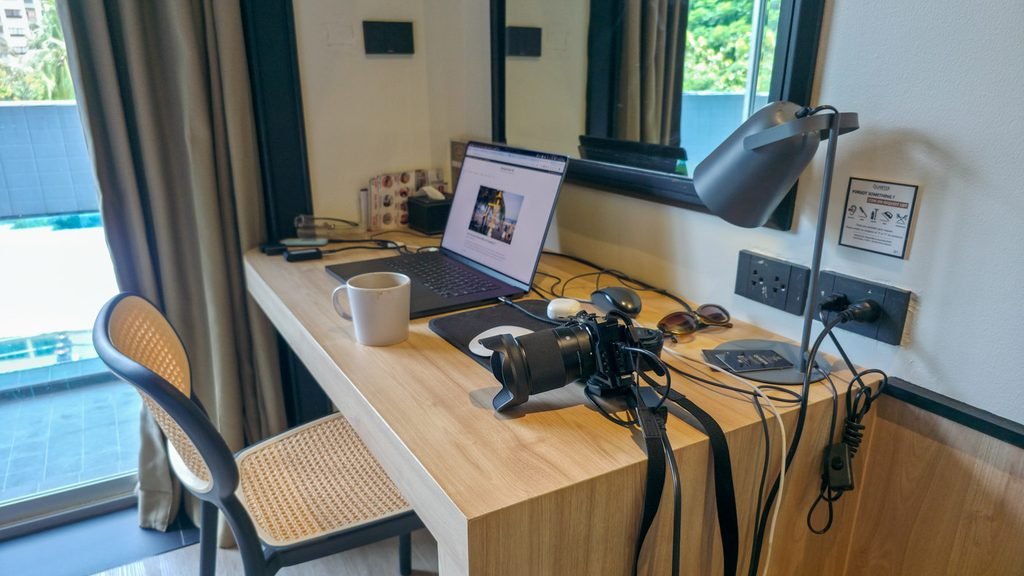
My suitcase sits in the corner of the room, slightly messy and probably right on the airline’s weight limit for my next flight. A camera is charging on the desk beside my laptop.
In a little while, I’ll head out for a coffee, walk through the neighborhood, and probably spend part of the afternoon editing photos or working on my next article.
To some people, that probably sounds like freedom and adventure. To others, it probably sounds a little reckless for someone my age. Shouldn’t I be settling down by now?
It’s the kind of life social media has spent years selling.
Palm trees.
Beaches.
Working from cafés.
One-way flights.
Endless adventure.
The reality is much quieter.
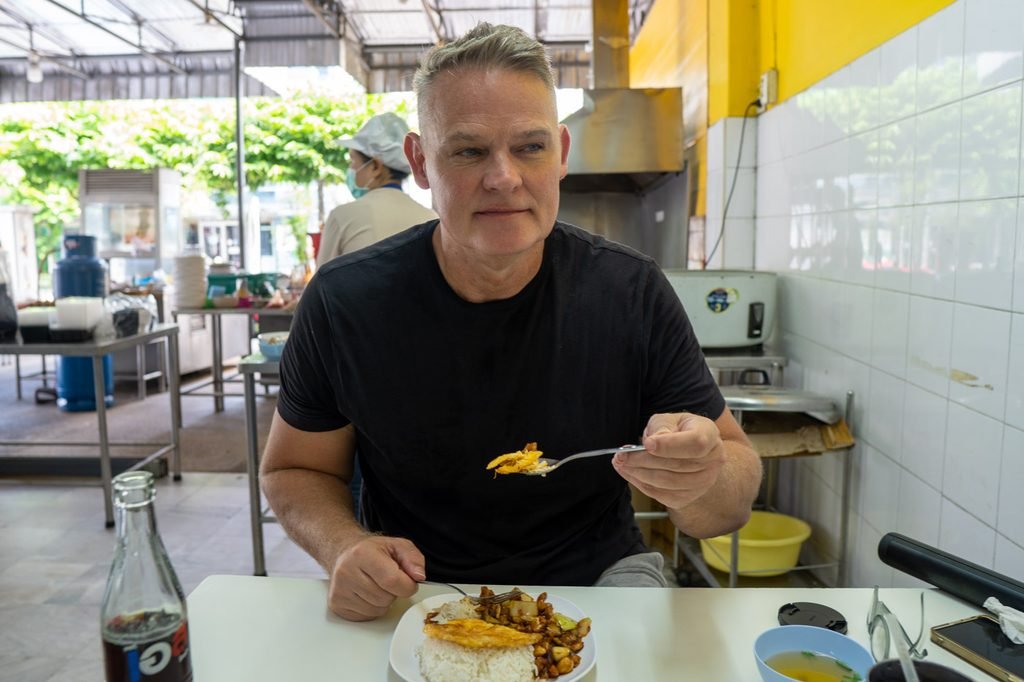
Most days aren’t about chasing the next destination. They’re about ordinary routines in unfamiliar places. Finding a grocery store. Doing laundry. Looking for a café with good coffee and reliable Wi-Fi. Walking the same streets often enough that the staff at a local restaurant recognize me before I even sit down.
It’s a normal life.
It just happens to unfold in different cities.
That’s one of the biggest misconceptions about being a digital nomad.
From the outside, it can look like a permanent vacation. From the inside, it’s simply another way of living. You still have deadlines. You still have responsibilities. You still need routines. The difference isn’t that life becomes easier. The difference is that you get to decide where that life unfolds.
People sometimes ask me why I’m still doing this at 53. It’s a question I’ve explored more deeply in Why Nomad Life Changes After 50.
It’s a fair question.
For many people, this lifestyle belongs to those in their twenties, backpackers taking a gap year or remote workers chasing sunshine before eventually settling down.
I understand why it looks that way.
But the older I’ve become, the less interested I’ve been in proving that this lifestyle is exciting.
What interests me now is something much simpler.
Can I build a life that still feels honest?
One where my work, my curiosity, and the places I choose to spend time all fit together.
Because the truth is, I didn’t become a digital nomad to escape life.
I chose this life because, somewhere along the way, it became the one that felt most like my own.
What People Imagine
When people hear the words digital nomad, they often picture someone constantly on the move.
A new country every month.
A laptop on a beach.
Coworking spaces filled with people from all over the world.
Cheap flights, endless freedom, and a life without too many responsibilities.
I understand where that picture comes from.
For many people, that’s exactly how this lifestyle begins. There’s excitement in discovering a new country, meeting people from different cultures, and realizing that work doesn’t have to be tied to a single office or city.
I felt some of that too.
But somewhere along the way, the excitement stopped being the reason I kept traveling.
I also realized that constantly being “on” wasn’t what I was looking for. The parties, the endless socializing, and always chasing the next experience gradually became less appealing. I found myself drawn toward quieter routines instead.
Somewhere along the way, I stopped looking for places that impressed me and started looking for places where I could simply be. I eventually realized that some places you visit, while others you settle into.
These days, I’m far less interested in asking, “Where should I go next?”
The better question is:
“Could I imagine an ordinary Tuesday here?”
Could I enjoy walking these streets after the novelty wears off?
Would I still like this neighborhood after three months instead of three days? That question influenced where I chose to stay in Penang, including my decision not to stay inside George Town’s UNESCO area.
Would I come back?
Those questions have become much more important than ticking another country off a list.
The longer I’ve lived this way, the less I’ve cared about collecting destinations.
Instead, I’ve become interested in understanding places and learning something new from them. That curiosity eventually led me to ask a bigger question: can you love a place without changing it?
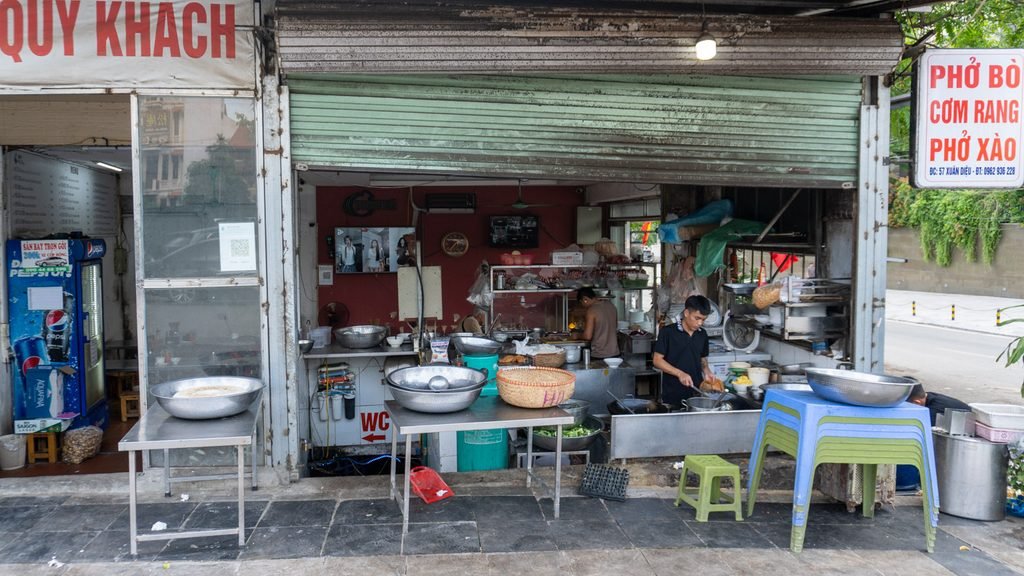
How people live.
How neighborhoods change from one street to the next.
The café that fills up with locals every morning.
The park where people gather after work.
The small routines that tell you far more about a place than its most famous attraction ever could. That’s one of the reasons George Town never impressed me by trying too hard it revealed itself through those ordinary moments instead.
That’s the version of digital nomad life I rarely see on social media.
Not because it’s less interesting.
But because it’s quieter.
It’s not flashy.
It’s just life.
And quiet moments are often harder to capture than spectacular ones.
I Didn’t Become a Nomad. I Rediscovered Something.
People sometimes assume that becoming a digital nomad was a big decision.
That one day I woke up, quit my job, packed a suitcase, and decided to travel the world.
The truth is, it wasn’t nearly that dramatic.
In many ways, it felt less like starting a new chapter and more like returning to an old one.
Long before I had ever heard the term digital nomad, travel was already part of my life.
My father was a merchant sailor, and some of my earliest memories are of life at sea. By the time I was seven years old, I had already seen parts of the world that many people don’t visit until much later in life.
Back then, I had no idea how unusual that was. It was “family life”
To me, movement simply felt normal.
Looking back now, I wonder if that’s why staying in one place for too long has never felt entirely natural.
Over the years, life followed a more familiar path.
Work.
Responsibilities.
Building a career.
Eventually, I spent nearly two decades living in Mexico.
I built a life there, just as many people do when they settle somewhere.
But life has a way of changing.
When I eventually left Mexico and found myself back in Asia, I expected it to feel like another move.
Instead, it felt strangely familiar.
Almost as if I had picked up a conversation that had been waiting for me all along.
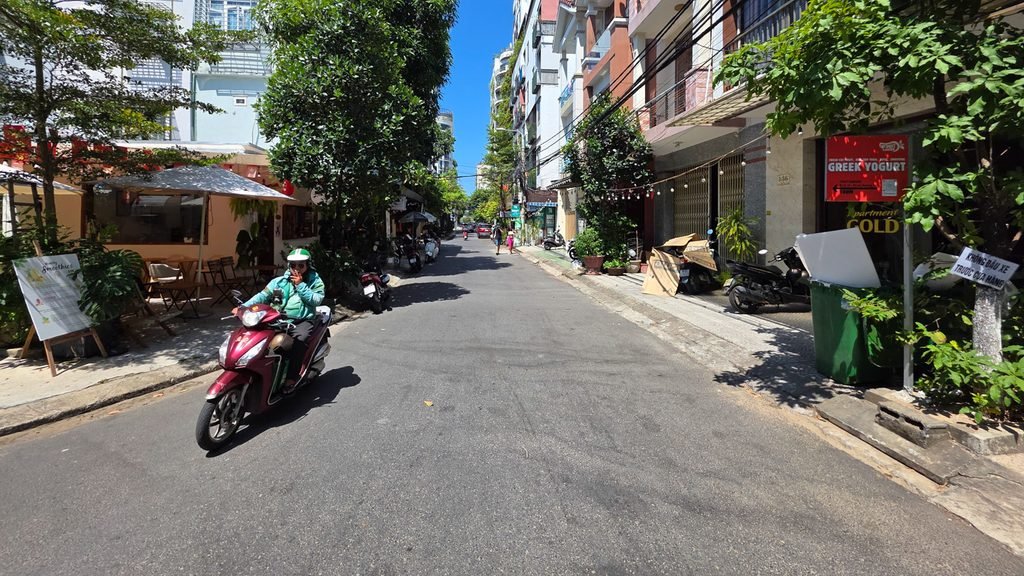
That’s why I don’t really feel like I became a digital nomad in my fifties.
If anything, I rediscovered a part of myself that had always been there.
A part that had quietly waited while life moved in other directions.
The labels came later.
The feeling came first.
Age Changed the Way I Travel
One of the biggest surprises about getting older is that I haven’t lost my curiosity.
If anything, it’s become deeper.
Age hasn’t made me less curious.
It’s made me pay attention longer.
When I arrive somewhere new, I don’t feel the need to see everything as quickly as possible.
I’m happy to walk the same streets again.
To return to the same café.
To sit a little longer.
To notice the people who are there every morning, not just the visitors passing through.
That change has also affected which destinations work for me. A place that appeals to a younger digital nomad looking for nightlife, networking, and constant activity may not be the place I would choose today. I found that especially true in Bali, where choosing the right part of the island completely changed my experience. I explored that more in Is Bali Good for Digital Nomads Over 50?
I’ve realized that the longer I stay, the more a place begins to reveal itself.
The first few days are about seeing.
The weeks that follow are about understanding.
The months, if they happen, are about belonging, at least for a little while.
I’ve become less interested in asking what a place can offer me and more interested in what it can teach me.
How people spend their evenings.
Where they meet friends.
How neighborhoods change throughout the day.
The small routines that rarely appear in travel guides but often tell you the most about a place.
I think that’s one of the quiet gifts of getting older.
You stop feeling the need to consume every experience.
Instead, you begin to appreciate simply being present long enough for a place to unfold around you. That’s something I experienced very clearly while spending time in Sidemen, Bali, where slowing down changed the way I saw the place.
Ironically, I’ve found that slowing down hasn’t made travel smaller. It’s made it richer. It also changed the way I experienced places like Penang, which turned out to be much harder to understand than it was to like.
It’s made it richer.
The Biggest Misconception
If there’s one thing I’ve learned over the years, it’s that freedom isn’t what I once thought it was.
When people imagine this lifestyle, they often imagine fewer responsibilities.
No office.
No commute.
No fixed address.
The freedom to do whatever you want.
There are certainly moments that feel like that.
But those moments don’t define everyday life.
You still have to earn a living.
You still have deadlines.
You still have to look after your health, manage your finances, make decisions, and solve the ordinary problems that life throws at you.
None of that disappears just because you cross a border.
Sometimes those responsibilities mean seven hours at immigration for three minutes of paperwork.
What changes is something much quieter.
You get to decide which responsibilities are truly yours.
That has become my definition of freedom.
Not the absence of responsibility.
The ability to choose it.
For me, this lifestyle has never been about escaping work or avoiding commitment.
If anything, it’s asked more of me.
It asks me to stay disciplined without anyone looking over my shoulder.
To build routines wherever I happen to be.
To keep showing up, whether I’m in Bangkok, Da Nang, or somewhere I’ve never been before.
The older I’ve become, the more I’ve realized that freedom isn’t about removing structure from your life.
It’s about building a life where the structure reflects who you are.
That’s a very different kind of freedom.
And, for me, a much more sustainable one.
Why I Don’t Chase Nomad Culture
One question I get asked from time to time is whether I spend much time in digital nomad communities.
The honest answer is: not really.
I’ve visited coworking spaces.
I’ve met other travelers.
I’ve had plenty of interesting conversations over the years.
There’s absolutely nothing wrong with any of that.
For many people, those communities become an important part of the experience.
For me, it was never the main reason I kept traveling.
I’ve always found myself more interested in the place, the locals, and the culture than in the people who happened to be passing through it.
I like sitting in a neighborhood café and watching the morning unfold.
I enjoy wandering through local markets with no real destination in mind.
Sometimes I’ll spend an hour simply walking with my camera, noticing the small details that most people hurry past.
That’s where I feel most connected to a place.
I’ve never felt a strong need to call myself a digital nomad.
It’s a useful description.
But it has never felt like an identity.
If someone asks what I do, I’m just as likely to say that I write, take photographs, and work online while living in different parts of the world.
The label matters far less than the way I choose to live.
Perhaps that’s why I’ve never been particularly interested in following the latest trends.
Whether it’s the next “must-live” city, the newest productivity app, or wherever everyone else seems to be moving, I’ve learned that my best decisions usually come from paying attention to my own experience rather than following the crowd.
The longer I’ve lived this way, the more I’ve realized that I’m not looking for a digital nomad lifestyle.
I’m simply looking for places where I can live well, stay curious, and continue paying attention.
Everything else is just a label.
What I’m Really Doing
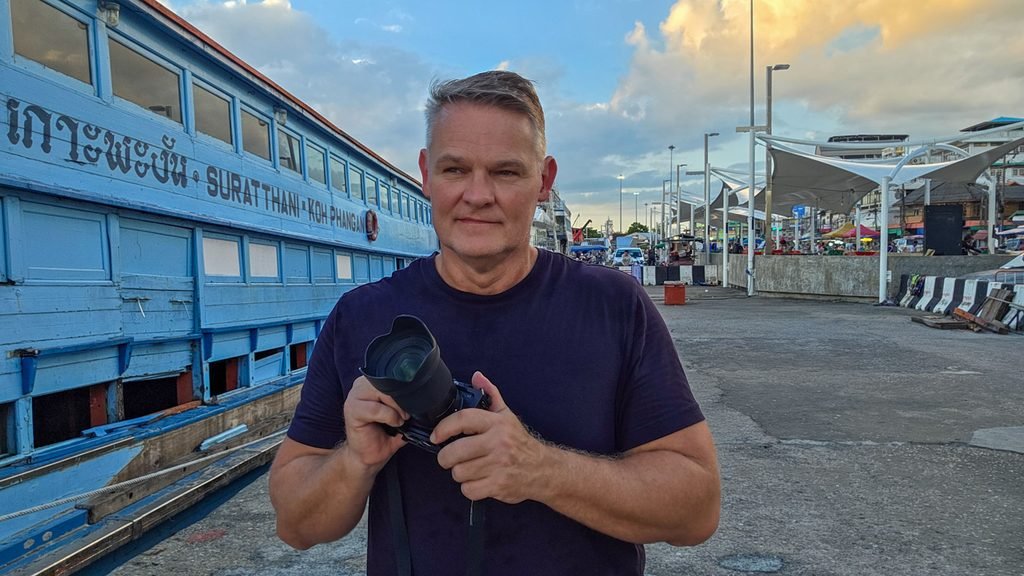
People sometimes assume that I’m traveling to see as much of the world as possible.
The truth is, that’s never really been the goal.
These days, I’m much more interested in understanding a place than simply passing through it.
I like returning to the same café often enough that the staff begins to recognize me.
Walking the same streets until they become familiar.
Watching how a neighborhood changes between morning and evening.
Those are the moments that stay with me.
Over time, I realized I wasn’t just collecting memories.
I was collecting observations.
Small details.
Conversations.
Patterns.
Questions that stayed with me long after I had left a place.
Writing became a way of making sense of those observations.
At first, I wrote so I wouldn’t forget where I’d been.
Today, I write because it helps me understand what I experienced.
The more I write, the more I realize that every place has something to teach me, if I’m willing to slow down long enough to notice it.
That’s really what Nomad Over 50 has become. If you’re new here, the best place to start brings the wider journey together.
Not a travel guide.
Not a collection of “best places.”
But an attempt to understand places through ordinary life.
The older I’ve become, the less interested I am in telling people where they should go.
I’m far more interested in sharing what I noticed while I was there.
Maybe that’s what this journey has really become.
Not a search for the next destination.
A practice of paying attention.
I Don’t Know How Long This Chapter Lasts
People sometimes ask me how long I plan to keep living like this.
The honest answer is:
I don’t know.
Maybe I’ll still be traveling in five years.
Maybe I’ll find one place that feels like home for a little while.
Maybe life will surprise me with something I can’t see yet.
I’ve stopped feeling like I need to have the answer.
For a long time, I thought life was something you planned years ahead.
Now I see it a little differently.
Some chapters are meant to be lived before they’re fully understood.
Right now, this chapter feels right.
It allows me to keep learning.
To keep writing.
To stay curious.
To experience places slowly enough that they become more than destinations.
Could that change one day?
Of course.
I’m not committed to being a digital nomad forever.
I’m committed to living in a way that continues to feel honest.
If that eventually leads me somewhere more permanent, that’s okay.
If it doesn’t, that’s okay too.
The destination has become less important than the direction.
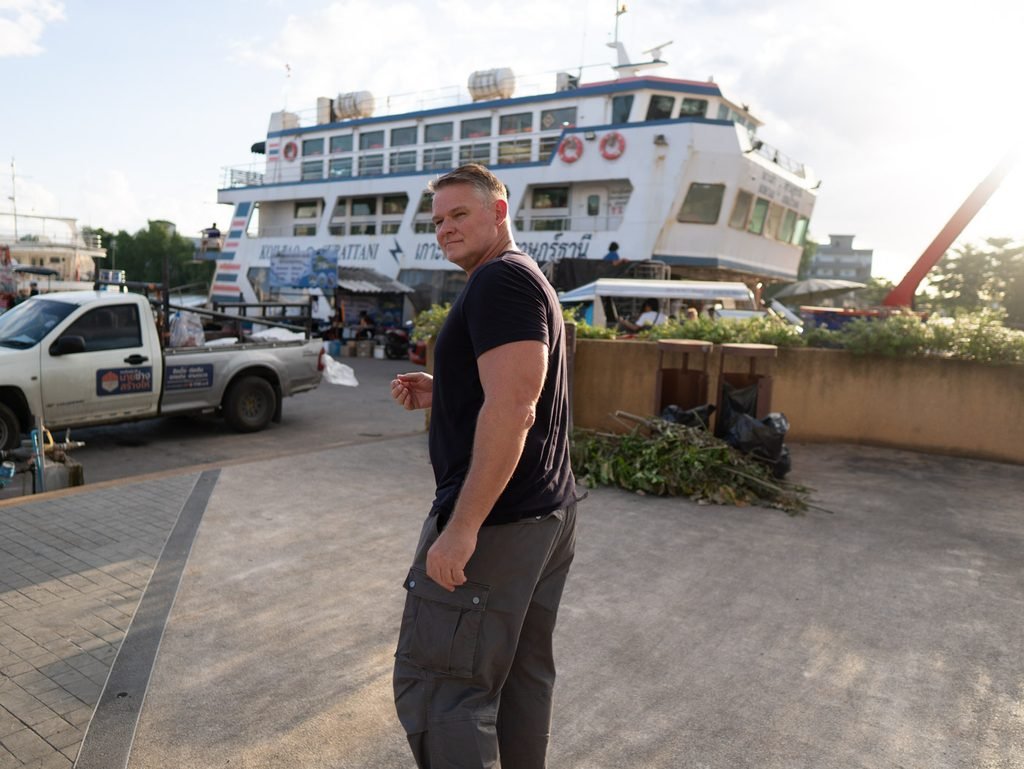
And right now, I still like the direction I’m walking.
Closing Thoughts
As I finish writing this, my camera battery is fully charged.
My coffee is waiting.
Outside, Bangkok is carrying on as it always does.
In a little while, I’ll pack my camera, walk out the door, and disappear into another ordinary day.
I don’t know exactly where that walk will take me.
That’s never really been the point.
People often think this lifestyle is about constantly moving.
For me, it’s become much more about learning how to be present wherever I happen to be.
At 53, I no longer feel the need to prove that this life is exciting.
Or unconventional.
Or somehow better than anyone else’s.
It’s simply the life that feels most honest to me.
Maybe that’s what I’ve been searching for all along.
Not the perfect destination.
Not endless freedom.
Just a way of living that allows me to stay curious.
To keep learning.
To keep paying attention.
I don’t know where I’ll be writing from a year from now.
Or five years from now.
But I hope one thing doesn’t change.
That I continue to notice the ordinary moments that make a place feel alive.
Because somewhere along the way, I realized something.
I wasn’t really searching for a different place to live.
I was searching for a way of moving through the world that felt like home.