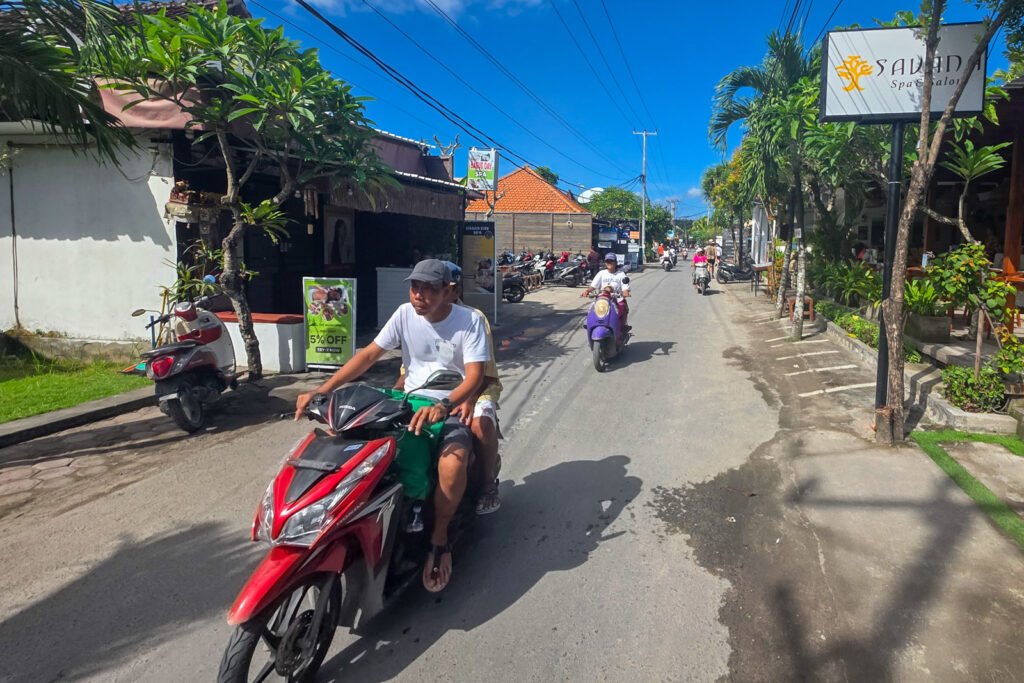
If you search online, you’ll probably come away with the impression that Bali is all about coworking spaces, beach clubs, surf breaks, and cafés filled with laptop workers. Add in yoga classes, wellness retreats, spa afternoons, and the occasional coconut water between Zoom calls, and it’s easy to believe that’s what digital nomad life in Bali looks like.
Those places certainly exist, and for many people they’re exactly what makes Bali appealing. But they were never what drew me back. After spending time on the island, I found myself paying attention to something else entirely: the quieter places, the slower rhythm of everyday life, and the feeling that Bali had far more to offer than its digital nomad hotspots.
At 53, I wasn’t looking for the busiest neighbourhood or the next place to meet other digital nomads. I was looking for somewhere I could imagine living an ordinary life. Somewhere I could settle into a routine, work in the mornings, explore in the afternoons, and enjoy the feeling that life wasn’t constantly demanding my attention.
That isn’t always easy to find in Bali. In some areas, the island revolves around digital nomad culture, with coworking spaces, cafés, and a constant stream of people arriving and leaving. In others, the atmosphere shifts towards a more traditional holiday destination, where sports bars, beach resorts, and holidaymakers shape the rhythm of the day.
Neither is inherently better than the other, but I found myself searching for something in between. A Bali that felt less defined by a particular scene and more by everyday Balinese life.
That search took me far beyond the version of Bali most people talk about.
I spent time in places like Sidemen and Nusa Lembongan, experienced the energy of Ubud, and saw first-hand why Bali means something completely different depending on where you choose to stay.
So is Bali a good destination for digital nomads over 50?
My answer is yes—but probably not for the same reasons you’ll find in most travel guides.
Because Bali isn’t one place. And once you stop treating it as one, the answer becomes much more interesting.
Bali Isn’t One Place

One of the biggest mistakes people make is talking about Bali as though it’s a single destination.
It isn’t.
The experience you have depends almost entirely on where you choose to base yourself. A few weeks in Canggu can leave you with a completely different impression of the island than staying in Sidemen or taking the boat across to Nusa Lembongan.
Some parts of the island revolve around digital nomads. Others are built around tourism. And then there are places where daily life continues much as it always has, with visitors simply passing through rather than defining the place.
That was probably my biggest takeaway.
I stopped asking whether I liked Bali and started asking which side of the island I was experiencing.
Sidemen felt nothing like the busy cafés and coworking spaces people often associate with the island. Nusa Lembongan had its own quieter rhythm altogether. Even a day exploring central Bali around Tirta Empul reminded me how quickly the atmosphere can change once you move away from the places that dominate social media.
The question isn’t whether Bali is good for digital nomads over 50.
The better question is:
Which Bali are you looking for?
What Changes After 50

Being a digital nomad at 53 is not the same as doing it at 23.
That does not mean I want everything to be quiet, predictable, or comfortable. I still want to explore, meet people, and experience places that feel unfamiliar. But the things I pay attention to have changed.
I am less interested in where everyone is going and more interested in whether I can build a good daily rhythm.
Can I work comfortably?
Can I sleep without constant noise?
Is it easy to find good food, get around, exercise, and take care of the ordinary parts of life?
And perhaps most importantly: would I still enjoy being there once the excitement of arriving had worn off?
That is where Bali becomes interesting for someone over 50.
The island offers almost every version of nomad life imaginable, but not all of them are equally sustainable. A place can look perfect in photographs and still feel exhausting after a few weeks. Another may seem less exciting at first, but gradually become easier to live in.
For me, the question was never whether Bali had enough to do.
It was whether I could find a side of Bali that gave me enough space to live.
The Bali I Kept Coming Back To
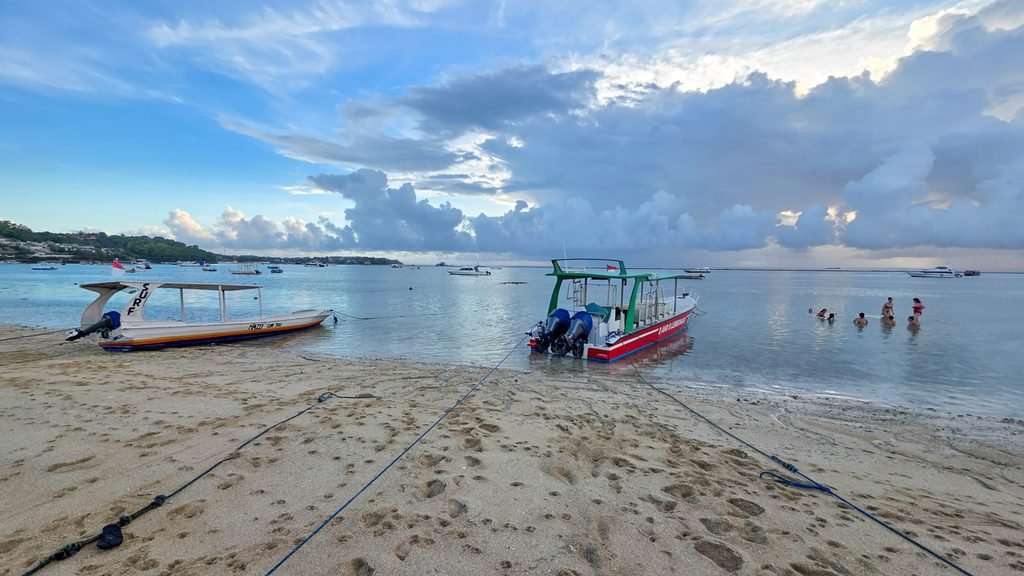
What surprised me most about Bali wasn’t the famous places. It was the quieter ones.
Sidemen was one of those places.
Life moved at a different pace. The cafés weren’t filled with laptops. The roads were quieter. The rice fields weren’t something to photograph before moving on; they became part of daily rhythm.
Nusa Lembongan gave me a similar feeling, although in a completely different setting. It was still an island, but without the constant sense that everything revolved around attracting more visitors. Mornings felt less hurried, afternoons less rushed, and it was easy to settle into a simple routine.
Even short trips into central Bali, whether visiting temples or driving through smaller villages, reminded me that there was another side to the island beyond the places that dominate YouTube thumbnails and Instagram feeds.
That was the part I found myself drawn to.
Not because it was quieter for the sake of being quiet.
But because daily routines still seemed to be the centre of gravity.
For me, that’s what makes a place easy to return to. It stops feeling like a destination and starts feeling like somewhere you can simply live.
Where Bali Stopped Working for Me
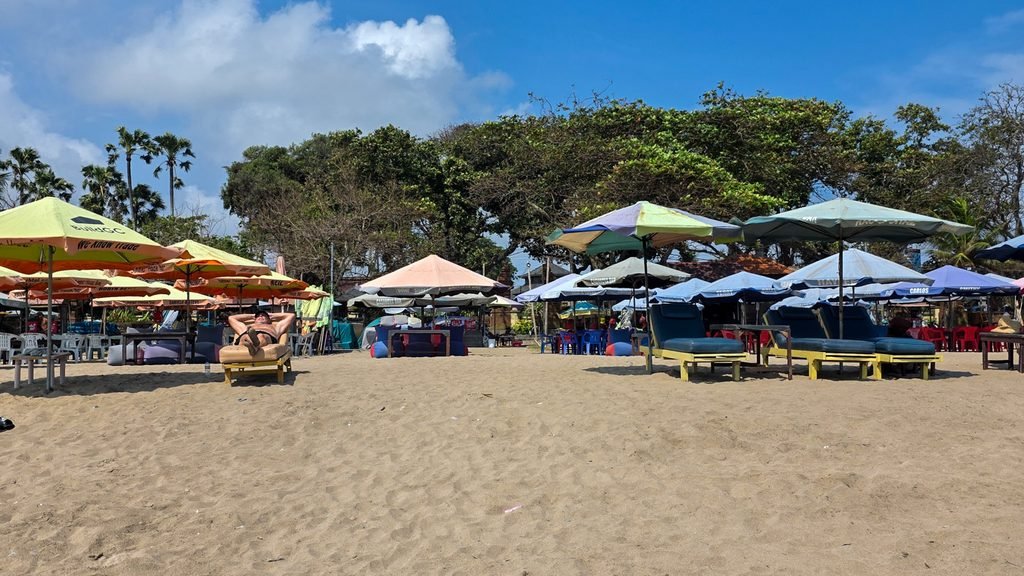
That doesn’t mean every part of Bali felt like the right fit.
Some areas were simply too busy for the kind of life I was looking for.
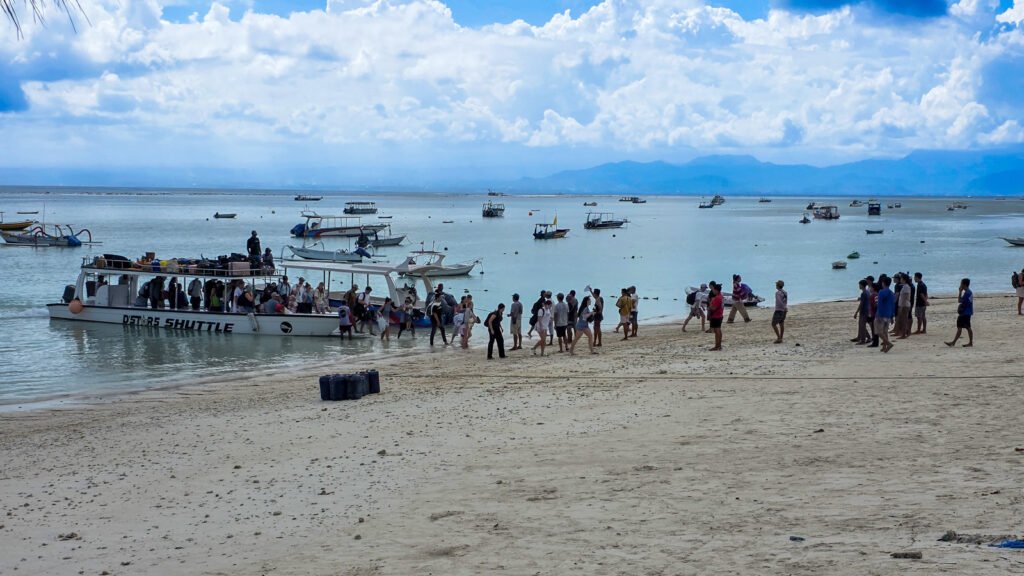
Traffic could turn a short journey into a frustrating one. Places that looked peaceful in photos sometimes felt crowded once you arrived. In the more popular areas, it was easy to feel as though the island revolved around visitors rather than the people who actually lived there.
None of that is unique to Bali. It’s the reality of many destinations that have become globally popular.
For some people, that energy is exactly what they are looking for. They enjoy being surrounded by cafés, nightlife, events, and a constant flow of new people.
I realised I was looking for something different.
I don’t mind visiting those places for a coffee, dinner, or a day out. I just wouldn’t want them to define my daily duties.
That’s why choosing where to stay matters so much in Bali. Two people can spend a month on the island and come away with completely different opinions, simply because they experienced two very different versions of it.
So, Is Bali Good for Digital Nomads Over 50?
I think it can be.
But not because Bali is perfect.
And not because every part of the island will suit you. One of the biggest surprises may be discovering that the Bali everyone talks about isn’t the one you enjoy the most.
It’s a good destination if you’re prepared to look beyond the side of the island that dominates social media and travel guides.
If you’re looking for constant entertainment, nightlife, and a busy social scene, you’ll probably find exactly what you’re after.
But if, like me, you’re more interested in building a sustainable, easy living – working, exploring, enjoying good local food, and settling into a rhythm – there is another side to Bali waiting to be discovered.
That is the Bali I connected with.
A Bali where your ordinary life still felt like the centre of gravity. Where I could spend a morning working, an afternoon exploring, and finish the day feeling as though I had experienced a place rather than simply consumed it.
Would I return?
Absolutely.
Not because I’ve seen everything.
But because I know there are still different parts of Bali waiting to be discovered.
You can find more of my Bali stories in the Places hub.
Quick Decision Guide
Bali may be a good fit if you:
- Prefer longer stays over fast travel.
- Enjoy quieter neighborhoods and everyday life.
- Want good cafés, healthy food, and reliable infrastructure.
- Don’t mind exploring beyond the best-known areas.
You may struggle if you:
- Expect every part of Bali to feel relaxed.
- Dislike traffic and busy tourist areas.
- Prefer staying in one of the busiest digital nomad hubs.
My recommendation
If you’re over 50, don’t judge Bali by your first destination. Spend time in at least two very different areas before deciding whether the island is right for you.
FAQ
Is Bali good for digital nomads over 50?
Yes. Despite Bali’s reputation for busy coworking spaces, fast-paced digital nomad communities, and social media hotspots, it’s still possible to find places where life moves slowly.
Which part of Bali is best for digital nomads over 50?
In my experience, quieter areas such as Sidemen and Nusa Lembongan offered a more sustainable daily rhythm than the busiest tourist hubs.
Is Bali too crowded?
Some parts are. Areas such as Canggu and Seminyak can feel busy for much of the day, while places like Sidemen or Nusa Lembongan offer a more sustainable way of living. It depends almost entirely on where you choose to stay.
How long should I stay in Bali?
If possible, spend at least a few weeks and experience more than one area before forming an opinion.