Bali is one of the most talked-about destinations in the world.
Spend enough time online, and you’ll quickly form a picture of what Bali is supposed to be.
Beach clubs.
Traffic.
Scooters.
Digital nomads.
Influencers.
Luxury villas.
And to be fair, all of those things exist.
I saw them too.
The interesting thing is that none of them became my strongest memories of the island.
Months from now, I probably won’t remember much about the traffic in Seminyak.
Or the Grab motorcycle drivers asking, “Bike, boss, bike?” Occasionally trying to sell me something else.
But I suspect I’ll still remember watching villagers gather around irrigation canals in Sidemen as the day came to an end. Families washing in the cool water flowing down from the mountains. Children playing. Life simply unfolding around them.
I’ll remember Nyepi and looking up at the night sky, surprised by how dark it suddenly felt once an entire island stopped.
I’ll remember the water temple and the seriousness with which people approached the cleansing ritual. Not as a tourist attraction, but as something that genuinely mattered.
I’ll remember hearing music suddenly appear in the morning and seeing Canang Sari offerings placed outside homes and businesses, often by older women quietly going about their daily routines.
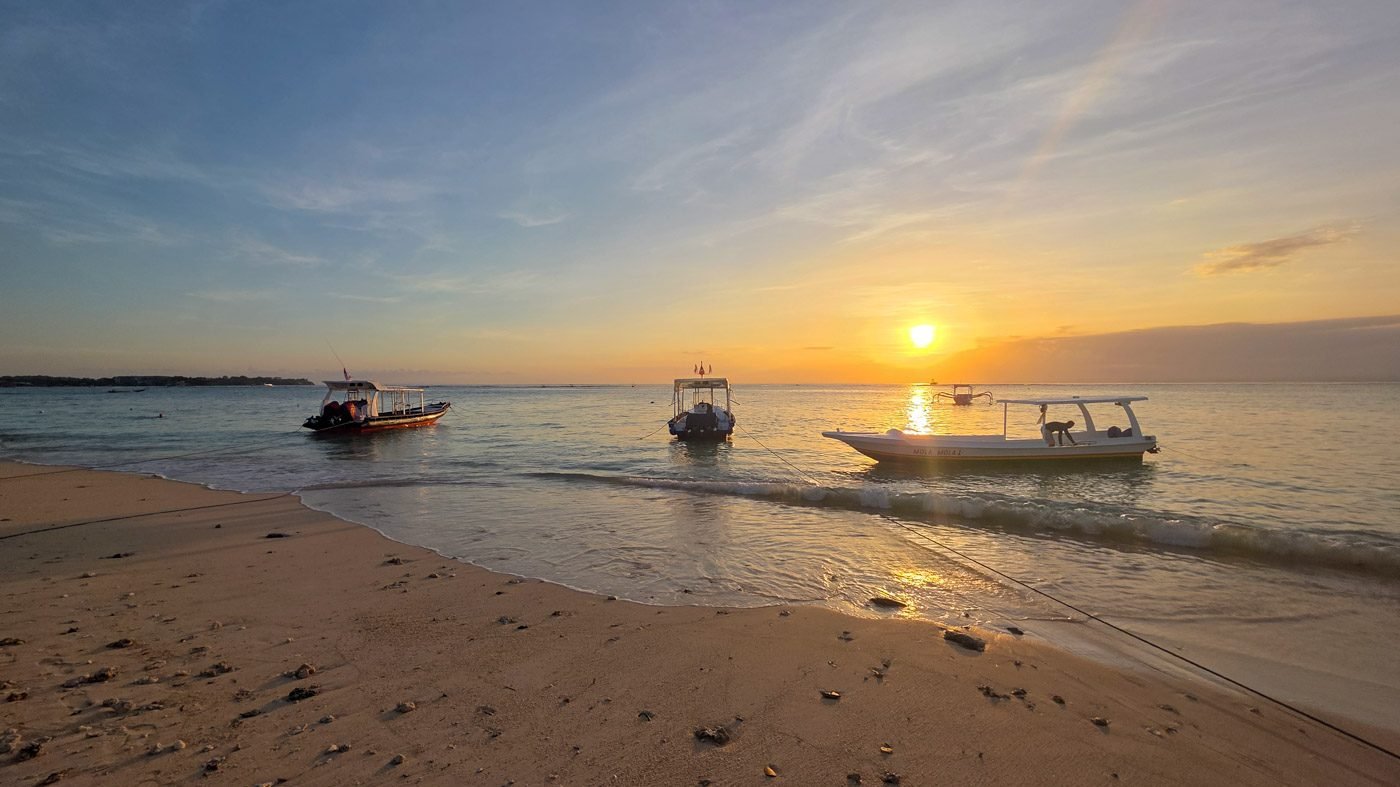
I’ll remember arriving in Nusa Lembongan and stepping off the boat into the water, feeling as though I was entering a completely different rhythm of life.
The Bali everyone talks about wasn’t the part that stayed with me.
Seminyak: The Bali Everyone Sees
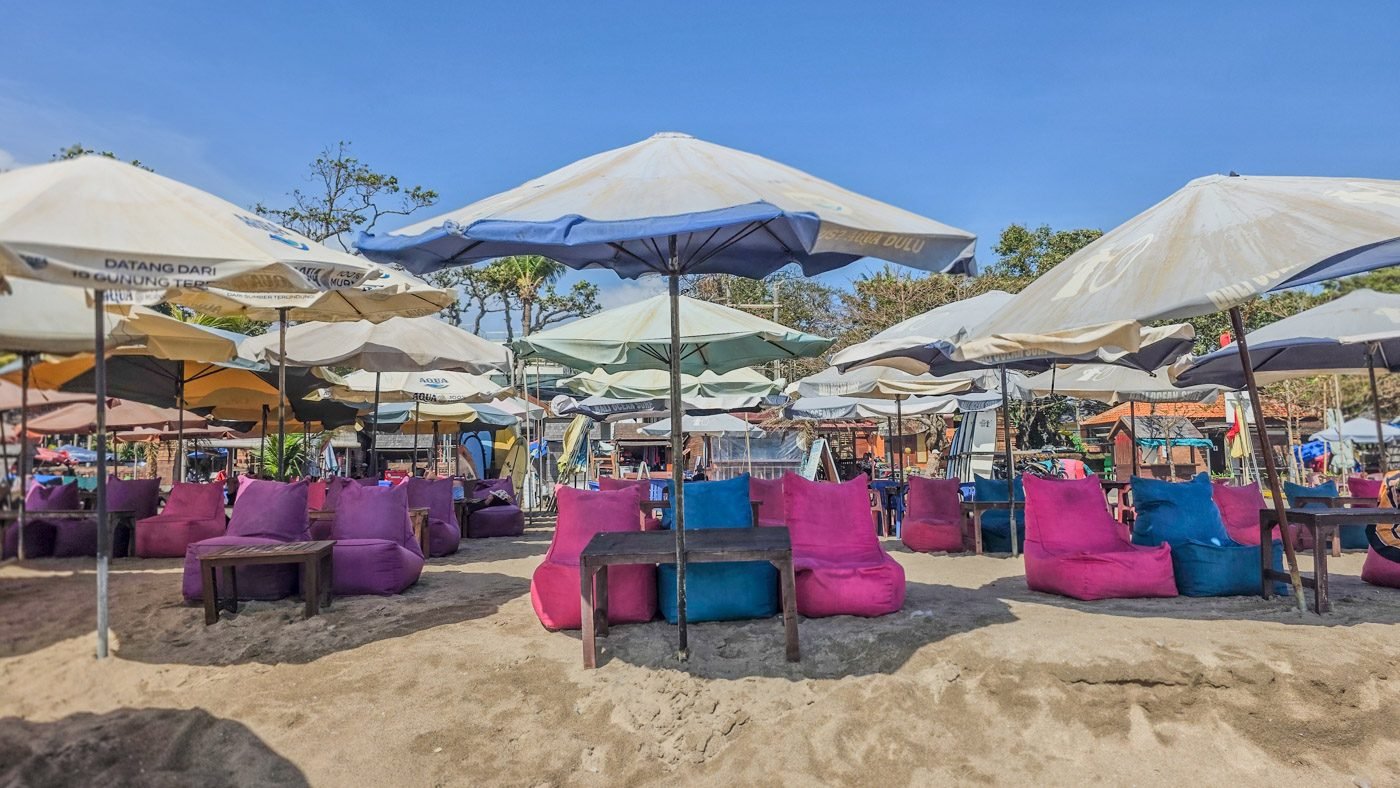
My first stop was Seminyak.
In many ways, it matched the version of Bali most people know.
Busy roads filled with scooters.
Restaurants and cafés competing for attention.
Tourists moving between beach clubs, cafés, shops, and accommodation.
A constant sense of movement.
At times it felt less like an island and more like a global destination brand.
There is nothing inherently wrong with that.
Millions of people visit Bali every year, and many of them are looking precisely for this experience.
What struck me was not Seminyak itself.
It was how easily this version of Bali can come to represent the entire island.
Especially when much of the conversation around Bali revolves around places like Seminyak, Canggu, Kuta, and other parts of the island’s busy southern coast.
The Island That Stopped
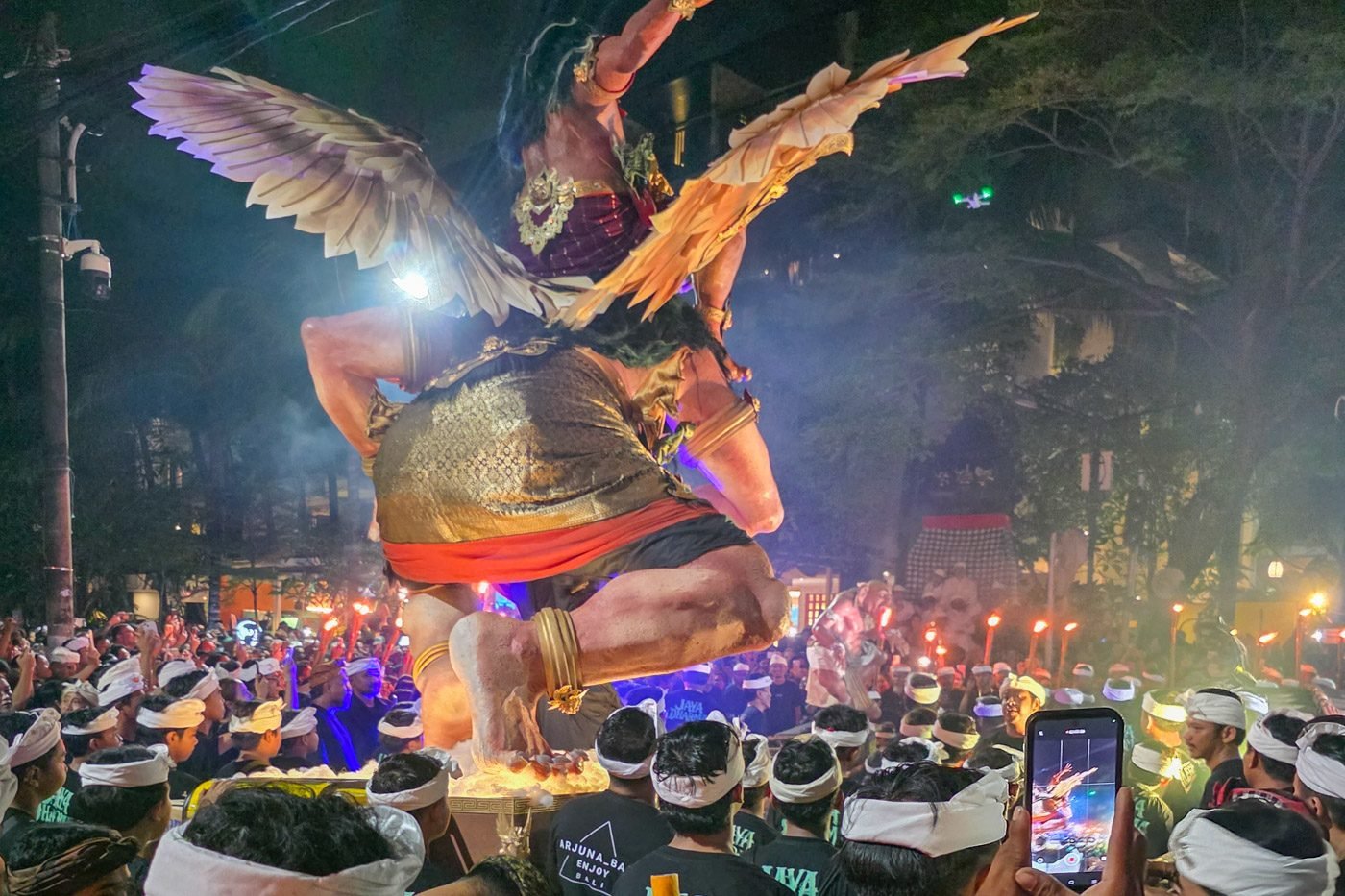
One of the first things that challenged that image happened before I ever left Seminyak.
The island was preparing for Nyepi.
Bali’s Day of Silence.
In the days leading up to it, giant Ogoh-Ogoh statues were carried through the streets. Communities gathered as music, drums, and processions moved through towns and villages across the island.
Then everything stopped.
Flights would stop.
Businesses would close.
The streets would empty.
The internet would shut down.
For twenty-four hours, an entire island would pause.
Not because of a government order.
Not because of an emergency.
Because that is what the culture had agreed to do.
What struck me wasn’t the event itself.
It was the willingness of millions of people to participate in something larger than themselves.
For a moment, the Bali of traffic and tourism stepped aside.
Something much older became visible.
A Different Rhythm in Sidemen
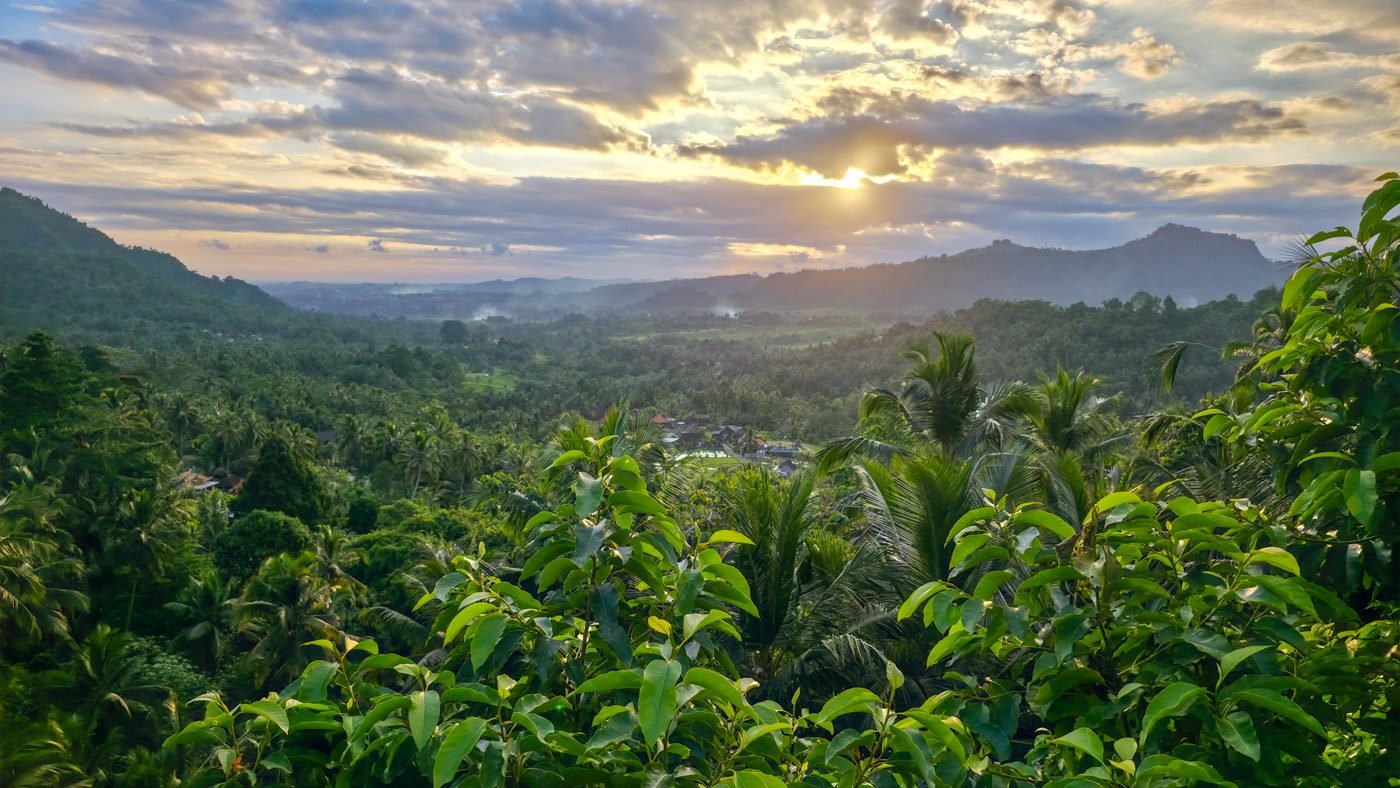
A few days later, I left Seminyak and headed to Sidemen.
The change was immediate.
The roads became quieter.
The pace slowed.
People seemed less concerned with getting somewhere quickly.
Life felt organized around daily routines rather than visitors.
One evening, I watched villagers gather around the irrigation canals running through the rice fields.
Families, men and women washed after the day was over.
Children played in the water.
People talked.
Nobody appeared to be performing for anyone else.
Life was simply happening.
It left a stronger impression on me than many of the attractions I had visited.
Not because it was dramatic.
Because it felt real.
The Bali That Doesn’t Compete for Attention
One thing I noticed throughout the trip was that Bali’s quieter side isn’t hidden.
You don’t need a secret map or a hidden key to find it.
It’s simply not very good at competing for attention.
The beach clubs are easier to photograph.
The villas are easier to market.
The influencers are easier to notice.
The quieter parts of Bali ask something different.
They ask you to slow down.
To pay attention.
To notice what is already there.
Many of the things that stayed with me were ordinary moments.
A ceremony.
A conversation.
An offering placed outside a doorway.
People gathering together because that’s what they had always done.
None of these things demand attention.
Yet they often reveal more about a place than the attractions designed for visitors.
Lembongan and the Smaller Version of Bali

Later, I traveled to Nusa Lembongan.
At first, I thought the beaches would be the highlight.
Instead, what I remember most is the feeling of simplicity.
The island felt smaller.
Calmer.
Easier to understand.
One of my favorite experiences wasn’t a beach at all.
It was discovering an underground house built generations earlier and learning about the family connected to it.
Another memory that stayed with me was a small seafood restaurant I passed almost every day.
Outside, fish were displayed on ice for customers to choose from.
Barracuda.
Tuna.
Red snapper.
Octopus.
And several fish I still couldn’t identify.
There was nothing particularly remarkable about it.
No famous view.
No attraction.
No reason for tourists to stop and take photos.
Yet those small details somehow became part of my memory of the island.
Like many of the best travel experiences, neither of these moments was planned.
They happened because curiosity led me somewhere unexpected.
Participating Instead of Observing
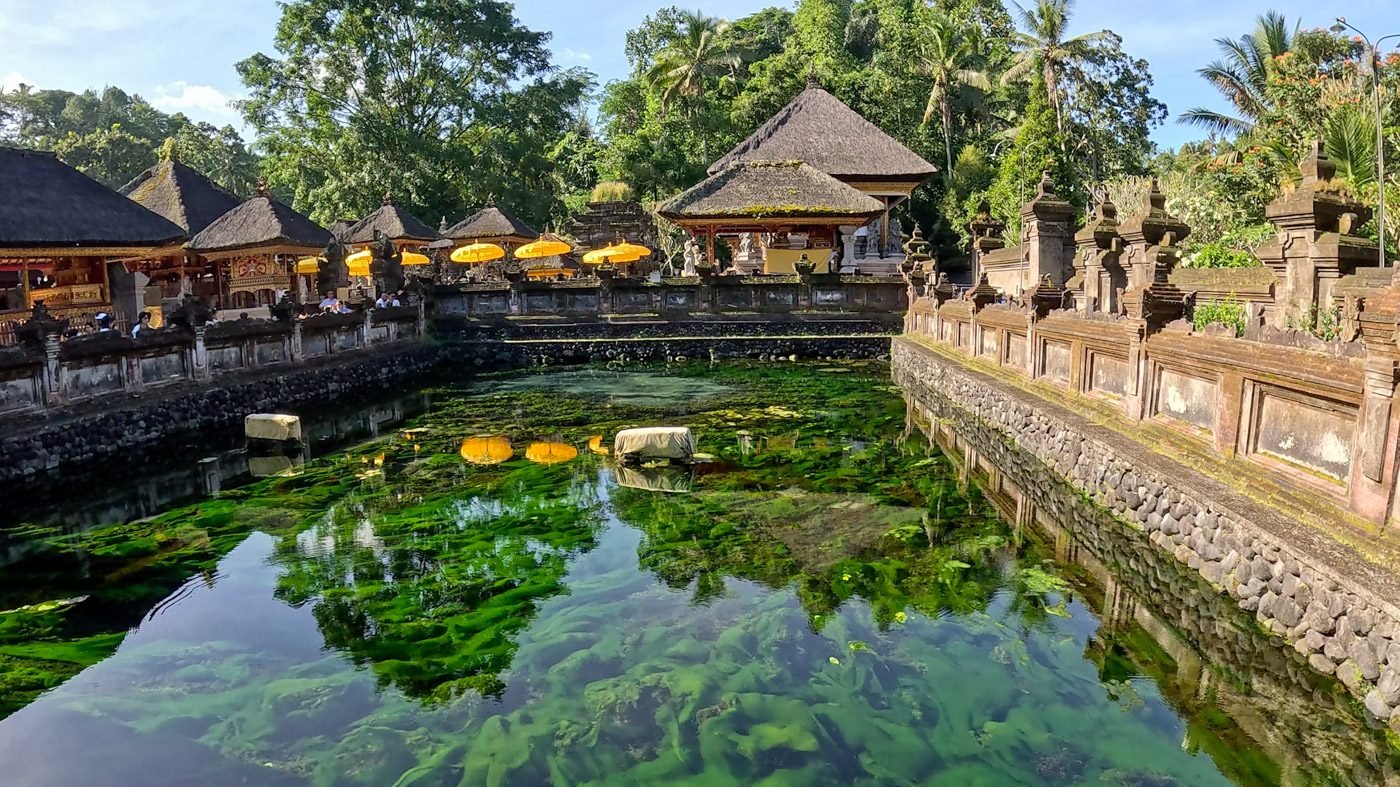
One of the strongest memories from Bali came during a visit to Pura Tirta Empul.
I arrived expecting to see something.
Take pictures.
Film with my GoPro.
Move on to the next stop.
Instead, I found myself participating.
Following local customs.
Listening carefully to the instructions.
Taking part in a ritual that clearly meant something to the people around me.
The atmosphere felt very different from many tourist attractions.
People weren’t there to be entertained.
They were there because the ritual mattered.
For the first time on the trip, I wasn’t simply observing Bali.
I was participating in it.
It reminded me that there is a difference between seeing a place and engaging with it.
Some of the strongest travel memories come from participation.
Not observation.
In fact, that realization eventually became the foundation for a larger reflection on the difference between visiting a place and participating in it.
The Bali I Remember
Looking back, the experiences that stayed with me weren’t the ones competing hardest for attention.
They weren’t the most photographed.
They weren’t the most talked about.
They weren’t the most optimized for visitors.
They were the quieter moments.
The rituals.
The routines.
The offerings placed outside homes each morning.
The villagers gathering around irrigation canals in Sidemen.
The unexpected conversations.
The parts of Bali that existed whether I was there or not.
The Bali everyone talks about wasn’t the part that stayed with me.
That experience also changed how I thought about Bali as somewhere actually to live and work. If you’re considering a longer stay, I explored that question more practically in Is Bali Good for Digital Nomads Over 50?
You can find more of my Bali stories in the Places hub.
Questions People Often Ask
What was it about Bali that stayed with you?
It wasn’t a single destination, attraction, or experience. What stayed with me were the moments that felt real: the quiet mornings, the conversations, the ceremonies, the routines, and the feeling of being present. Looking back, it was often the smaller moments that proved more memorable than the highlights.
Why do some travel memories last longer than others?
The memories that tend to stay with me are rarely the most photographed or planned. They are often the experiences where I felt connected to a place, a person, or a moment. Meaning tends to last longer than novelty.
Can a place change you even if you only stay for a short time?
I think so. Some places leave an impression that goes beyond the length of the visit. They challenge assumptions, shift perspectives, or simply make you pay attention in a different way. Bali taught me several lessons that continued long after I left.
What makes a destination memorable?
For me, memorable places are not always the most beautiful or exciting. They are the places that create reflection. The destinations I remember most are often the ones that revealed something about myself rather than simply giving me something to see.
Why do we remember feelings more than attractions?
Over time, many details fade. The names of places, the exact itinerary, and even some of the sights become less important. What often remains is how a place made us feel. That emotional connection is usually what gives a destination its lasting significance.
What did Bali teach you about travel?
Bali reminded me that travel is not simply about collecting experiences. The deeper value often comes from being present enough to notice what a place is trying to teach you. Sometimes the lessons only become clear after you leave.
Why do some places keep calling us back?
Not every destination creates a desire to return. The places that do often offer something beyond tourism. They connect with a particular stage of life, a need, or a way of seeing the world. In many ways, the places we return to tell us as much about ourselves as they do about the destination.